Jon is a seasoned journalist who has written definitive coverage of consumer tech at publications like Engadget, Android Authority, and BetaKit. He’s an expert on making tech accessible ranging from mobile and PCs to emerging platforms like wearables. When he’s not writing, he’s going on adventures with ihis family and is an avid photographer.
Sign in to your How-To Geek account
Whether or not your smart TV is spying on you, LG wants to make sure the apps aren’t part of the problem. The tech giant is banning webOS apps that use residential proxies to rent out your TV’s internet connection to third parties.
Senior VP John Taylor tells KrebsOnSecurity in a statement that LG is “working with” developers to remove the proxies from apps. If they don’t voluntarily remove the feature, their software will be “suspended.” While the company’s progress and deadlines aren’t clear, the executive says a review of the apps is “well underway.”
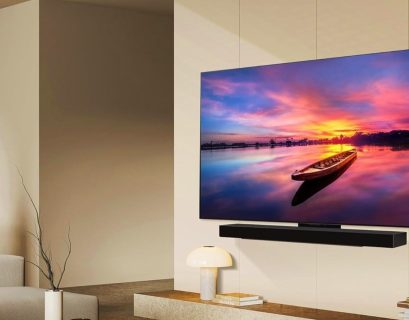
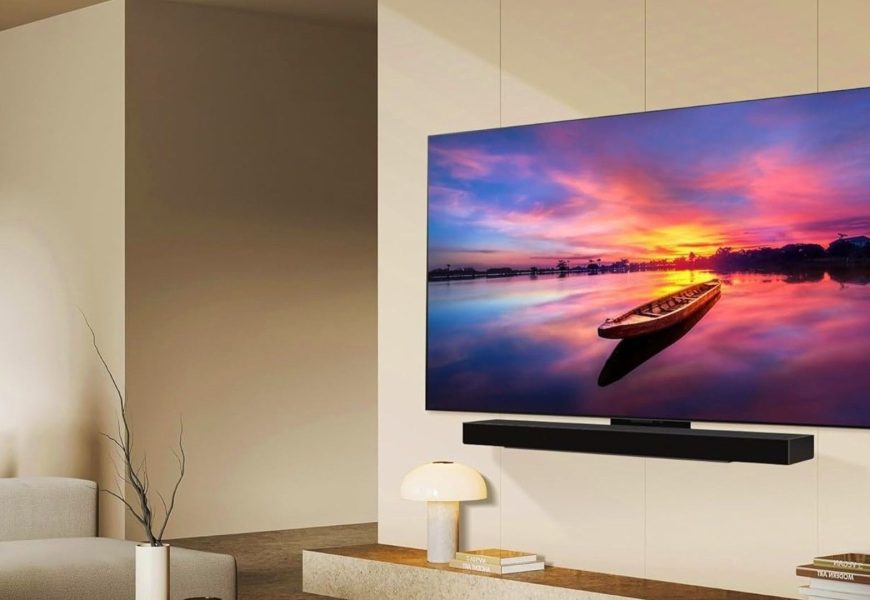
LG C4
- Brand
-
LG
- Display Size
-
65-inch
The move follows research from security firm Spur revealing that over 42 percent of apps on LG TVs turn the sets into residential proxy nodes that are rented to other companies. This helps developers monetize their apps, such as games and screensavers, without running ads or charging fees.
Proxy providers like Bright Data say they vet their clients and include safeguards to prevent customers from accessing devices on your local network. However, Spur warns that many TV owners neither understand what’s happening nor have ways to check that proxy users are honest.
An attacker could theoretically use vulnerabilities in the proxy to breach your home network, letting them spread malware, steal data, or use them as conduits for botnets. Bitdefender estimated in 2025 that the average smart home faced 29 cyberattacks every day, even if many of them were incidental botnet scans rather than deliberate attacks. Smart TVs accounted for 21 percent of security flaws in the study.
Bad timing for LG
The company is accused of spreading adware
The crackdown theoretically improves cybersecurity for LG TVs, although it might lead some developers to run ads, charge for access, or withdraw their apps.
However, it also comes just as the tech community is accusing LG of installing adware through monitors. It’s loading McAfee Scam Detector on Windows PCs without asking permission, forcing customers to uninstall the software or preemptively block it.
The practice isn’t unique to LG. However, the consent issue is complicated. LG is concerned about the security risks from apps that misuse proxies without clearly explaining them to customers but doesn’t appear to have similar reservations about the software it installs for customers.