Security is no longer an afterthought in the digital-first world, but the foundation of trust among people, companies, and governments. Passwords became the standard for securing personal information and online accounts decades ago. Nevertheless, as cyberattacks, phishing, and password breaches continue to rise, the use of this archaic approach can no longer be maintained. This has opened the way to more sophisticated security systems like biometric verification, biometric authentication, ID verification, and document verification that are quickly defining the future of user security in Nigeria and the world at large.
The relevance of passwords is becoming less and less relevant
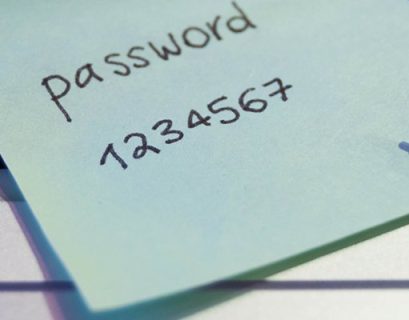
Passwords were considered to be an easy method of securing information, yet they have turned out to be a weak point. Users tend to use simple and easy-to-guess passwords or even use the same passwords on different platforms, which exposes them to hackers. Cybersecurity reports indicate that more than 80 percent of data breaches across the globe involve stolen or weak passwords. In Nigeria, as digital banking, fintech apps, and e-governance platforms continue to gain prominence, this threat has grown even greater.
Biometric Verification in Nigeria.
The use of biometric verification is becoming one of the most powerful password alternatives. This is done through the application of special biological characteristics like fingerprints, facial recognition, or iris scans to confirm the identity of an individual. Nigeria, especially, has been a leader in the use of biometric systems, particularly in areas such as banking, telecommunications, and national identity programs.
For example:
- The Bank Verification Number (BVN) system in Nigeria links individuals’ bank accounts to biometric data, reducing fraud in the financial sector.
- Even mobile network providers are implementing biometric authentication during the registration of SIM cards, which means that phone numbers are associated with authenticated individuals.
These efforts not only enhance security but also promote financial inclusion by making it easier for citizens to access services securely.
Biometric Authentication: Going Beyond Verification
Whereas biometric verification ensures that a person is who they claim to be when registering, biometric authentication goes a step further to ensure that they remain securely logged in. As an example, unlocking smartphones with facial recognition or authorizing mobile payments with fingerprint scanning is no longer a novelty.
Biometric authentication is becoming more popular in Nigeria:
- Fingerprint or facial recognition is now used to log in and make transactions in fintech apps.
- Digital wallets are securing payments that are biometric and less dependent on easily hacked PINs or passwords.
- Biometric logins are also being considered by government e-services to make sure that only legitimate citizens can access sensitive platforms.
This multi-layered system provides the user with confidence and greatly minimizes fraud.
ID Verification and Document Verification: Strengthening Digital Trust
Although biometrics take centre stage in the discussion, ID verification and document verification are also other significant pillars of user security. These are the means that make sure that the individual behind a transaction or a digital request is who they say they are.
- ID Verification: This involves cross-checking government-issued IDs—like Nigeria’s National Identification Number (NIN) or driver’s licenses—against databases to validate identity.
- Document Verification: This service authenticates the validity of documents, including utility bills, passports, or business licenses, which are frequently needed in the context of Know Your Customer (KYC) compliance.
These verification systems, combined with biometric solutions, are forming an ecosystem of holistic security that enhances digital trust in industries.
Global Perspectives: Beyond Nigeria
Nigeria is not the only country that has changed. Nations all over the globe are spending a lot of money on biometrics and electronic checks:
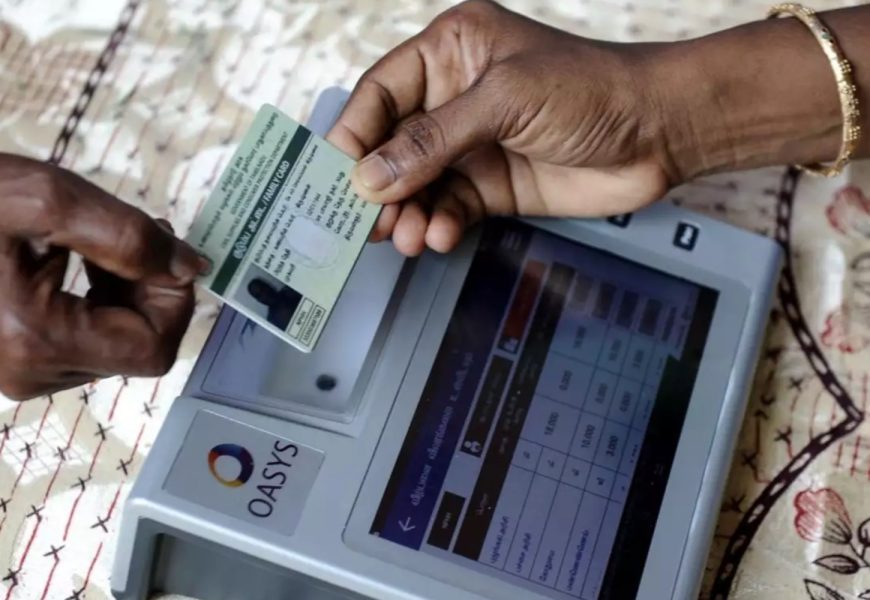
- India has the largest biometric ID system in the world Aadhaar, which includes more than a billion Indians.
- The European Union is advocating high levels of ID verification as part of its eIDAS regulations.
- The US is embracing biometric identification at airports, banking and even at the workplace.
These movements around the world are signs of a common understanding: the old passwords are not enough anymore, and biometric-based systems are the future.
Challenges and Concerns
Even with the promise of biometric and digital verification technologies, there are still challenges:
- Privacy concerns –A lot of Nigerians are concerned about the storage of biometric data and who can access it.
- Cybersecurity threats –Hackers are getting more advanced, and databases with sensitive information should be secured.
- Accessibility issues –Rural communities that lack access to sophisticated gadgets might have a challenge with using biometric systems.
In the case of Nigeria and other nations, the ability to strike a balance between innovation and privacy and inclusivity will be the key to success in the long term.
The Road Ahead: What Lies Ahead.
In the future, it is estimated by experts that biometrics will be combined with new technologies such as artificial intelligence (AI) and blockchain. Such a combination will ensure that biometric authentication and ID verification are quicker, more secure, and harder to tamper with.
In Conclusion
Passwords to biometrics, the history of digital security is the history of the world moving towards more trustworthy and convenient solutions. Nigeria is leading this change, and it is implementing biometric verification, biometric authentication, ID verification, and document verification to increase trust in all industries. The future is bright, although there are still some challenges; biometrics will transform the way individuals can establish their identity, whether locally or internationally.