Gavin is the Segment Lead for the Technology Explained, Security, Internet, Streaming, and Entertainment verticals, former co-host on the Really Useful Podcast, and a frequent product reviewer. He has a degree in Contemporary Writing pillaged from the hills of Devon, more than a decade of professional writing experience, and his work has appeared on How-To Geek, Expert Reviews, Trusted Reviews, Online Tech Tips, and Help Desk Geek, among others. Gavin has attended CES, IFA, MWC, and other tech-trade shows to report directly from the floor, racking up hundreds of thousands of steps in the process. He’s reviewed more headphones, earbuds, and mechanical keyboards than he cares to remember, and enjoys copious amounts of tea, board games, and football.
I can’t believe how often I hear about this cyberattack, yet I have never heard of anyone actually experiencing it. When it comes to phishing, malware, ransomware, and other scams, everyone knows someone who has been a victim or has been a victim themselves.
But juice jacking? Absolutely no one, ever.
That’s because juice jacking isn’t a real threat you need to worry about in the wild. Yet, if you’ve ever charged your phone in an airport, café, or hotel, you’ve probably heard the warning. Don’t use public USB ports. Bring a data blocker. Never plug your phone into anything you don’t own.
So how did we go from a theoretical data-theft attack via USB ports to a security myth so often rolled out by authorities that it’s become second nature to worry?
What juice jacking is
And where the fear really came from
Juice jacking is a hypothetical attack where a compromised USB port in a public place steals data from your device or installs malware without your knowledge. The term “juice jacking” was first coined by legendary security journalist Brian Krebs after he saw a demonstration of this attack at Defcon 19 in 2011.
The concept is that a poorly secured smartphone could be compromised by a USB port that conceals a malicious connection, such as a small computer or similar device, obscured from view. Once connected, the malicious USB port steals data or installs malware, and the target device and victim are none the wiser.
Not long after the first proof of concept of this attack at Defcon, security researcher Kyle Osborn released P2P-ADB, an attack framework that uses USB On-The-Go to attack a device.
Attacking another device by plugging directly into it has always been something I thought would be movie hacker cool. The real idea is that: Someone leaves their phone at the table, locked, and only for a few minutes. You pull your phone out, plug them together, and hope to god that have USB debugging enabled (all custom ROMs do.) Slurp down their files, stick your own backdoors there, and you’re set to go!
There have been several other juice-jacking proof-of-concept demonstrations over the years. For example, in 2016, Krebs reported on a video jacking attack using a similar theory, while security researchers at Symantec detailed an iOS-specific juice jacking style attack in 2018.
However, with all of these attacks, there is one core problem: they’re all concepts.
Why juice jacking never really happens
Especially with modern smartphones
All those proof-of-concept juice-jacking attacks have never led to the real thing happening in the wild. There are still no publicly verified examples of juice jacking. As of writing in February 2026, there are incident reports, no arrests, and no malware campaigns traced back to public charging stations. After more than a decade of widespread smartphone use, that absence of evidence matters.
There are a few good reasons for this, mind.
Pulling off a juice jacking attack would require physical access to public infrastructure, modified hardware that avoids detection, and a victim using a device with outdated security behaviour. Even then, the payoff is small. Modern cybercrime overwhelmingly favours phishing, malicious apps, and social engineering because they are cheaper, scalable, and far more reliable.
We also have to consider that modern smartphones are far safer than when juice jacking was first conceptualized, even with the more recent iterations of the concept.
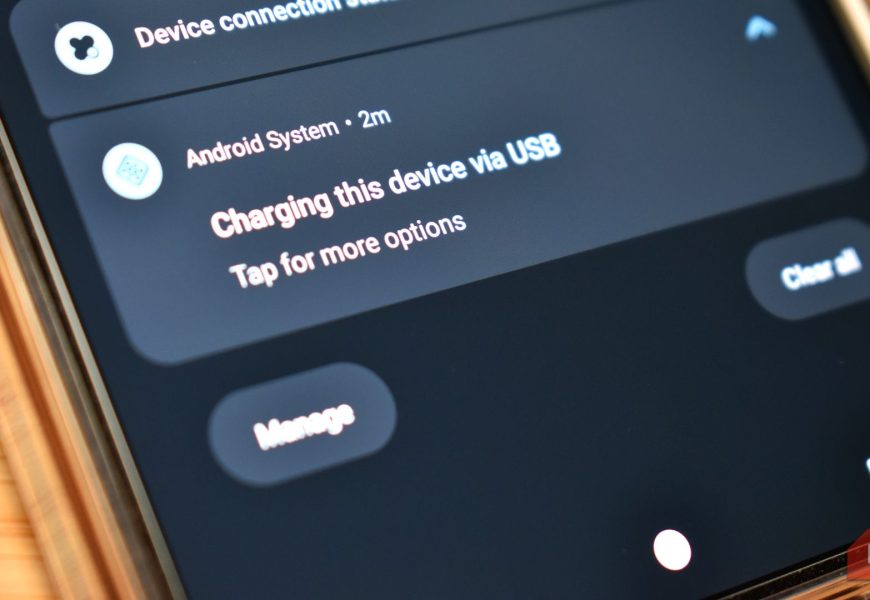
Previously, the major smartphone operating systems (Android and iOS) worked on a model that assumed most, if not all, USB connections were safe. However, that model changed, and both Android and iOS now restrict USB communication with your device. That’s why when you connect to any USB device, you receive a pop-up asking what you want to do beyond charging; data transfers need specific access.
Now, these protections weren’t added specifically because of juice jacking, but they eliminate the USB security assumptions that made the original theory seem scary. The reality is that the idea that you can plug a phone into a charger and instantly lose control of it simply doesn’t match how modern devices behave.
So, if it’s not a threat, why doesn’t “juice jacking” go away?
Some security myths become ingrained
There are a few reasons why the myth of juice jacking won’t fade. One is that now it’s been repeated so many times, it’s hard to undo. Like all things, fake news and fear spread much faster than the truth, and are often not as interesting or exciting.
Then we have the broad array of security publications and even government agencies perpetuating that myth, posting about how you should be scared of every USB port without providing any evidence. Even official FBI accounts have posted this misinformation, giving it much greater weight.
Finally, juice jacking as a concept persists because it’s easy security advice with little consequence of going wrong. Telling someone to avoid a public USB port is hardly going to blow up in someone’s face; someone might run out of battery, but it’s not the same as giving bad advice on password security or implementing 2FA.
That’s why you see travel blogs, social media posts, and even some airport signage recycle the same warning, reinforcing the idea that it must be real if everyone keeps repeating it.
This doesn’t mean USB safety doesn’t matter
None of this means USB security doesn’t matter. It just means it should be treated proportionally. Using your own charger and cable is perfectly reasonable, but it isn’t a strict necessity for safety. Charge-only cables and USB data blockers can add peace of mind, but they are optional tools, not essential protection.
The basics still matter far more. Keep your phone locked, install updates promptly, and pay attention to permission prompts. Those habits protect you from threats that actually exist, rather than ones that never materialised.
Juice jacking is a rare example of a cybersecurity theory that escaped the lab and became folklore without ever becoming a real attack. USB-related risks are real, but they don’t come from public charging stations silently hacking phones. They come from malicious cables sold online, fake Wi-Fi portals, QR-code scams, and apps that abuse permissions once installed.