Introduction
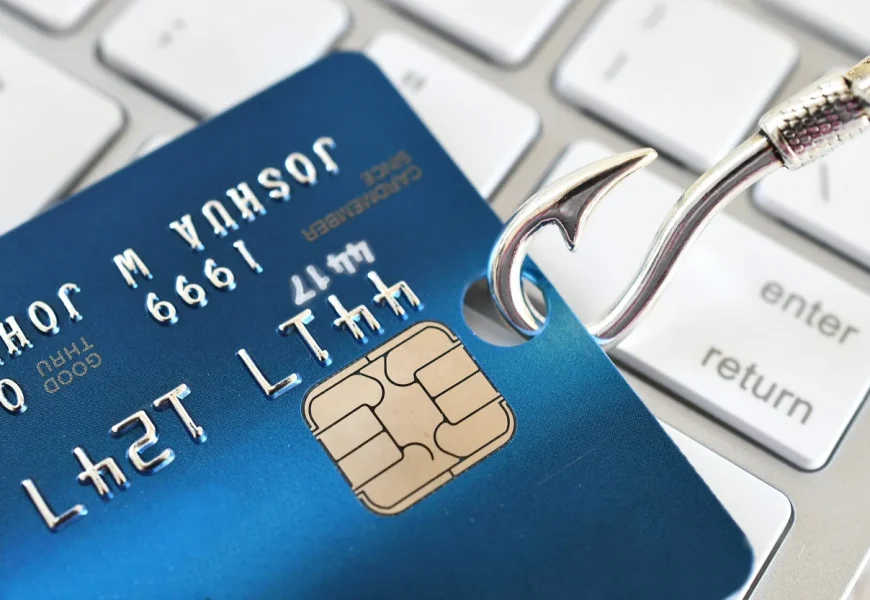
Phishing attacks have evolved into highly sophisticated scams that use artificial intelligence and real branding. These attacks now closely resemble genuine communication, making detection increasingly difficult for users and businesses.
Modern phishing is no longer easy to identify through spelling mistakes or poor design. Attackers now carefully craft messages that mimic trusted institutions and manipulate human behavior effectively.
Why Modern Phishing Is More Dangerous
Attackers now use advanced techniques to appear legitimate.
▪ AI-generated emails that look professional
▪ Fake websites that copy real platforms
▪ Personalized messages using stolen data
Psychological Tricks Used by Attackers
Phishing relies heavily on emotional manipulation.
▪ Urgency to force quick decisions
▪ Fear of account suspension or loss
▪ Trust in familiar brands or contacts
Effective Ways to Stay Protected
Simple habits can reduce risk significantly.
▪ Verify links before clicking
▪ Avoid responding to urgent requests immediately
▪ Use email filtering and security tools
Conclusion
Phishing 2.0 attacks are becoming more convincing and widespread. Awareness, careful verification, and user education remain the strongest defenses against these evolving digital threats.