Introduction
Cyber attackers now rely on stolen credentials, phishing tricks, and leaked databases to access accounts. A single password is no longer strong enough to protect sensitive systems or personal information in today’s digital environment.
Businesses and users must adopt stronger identity verification methods. Security now depends on layered protection systems that confirm identity beyond just passwords alone.
Weakness of Password-Only Security
Passwords are easily compromised through reuse, phishing, or data breaches.
▪ Users often reuse passwords across platforms
▪ Many passwords are weak or predictable
▪ Breaches expose millions of credentials at once
How Multi-Factor Authentication Strengthens Security
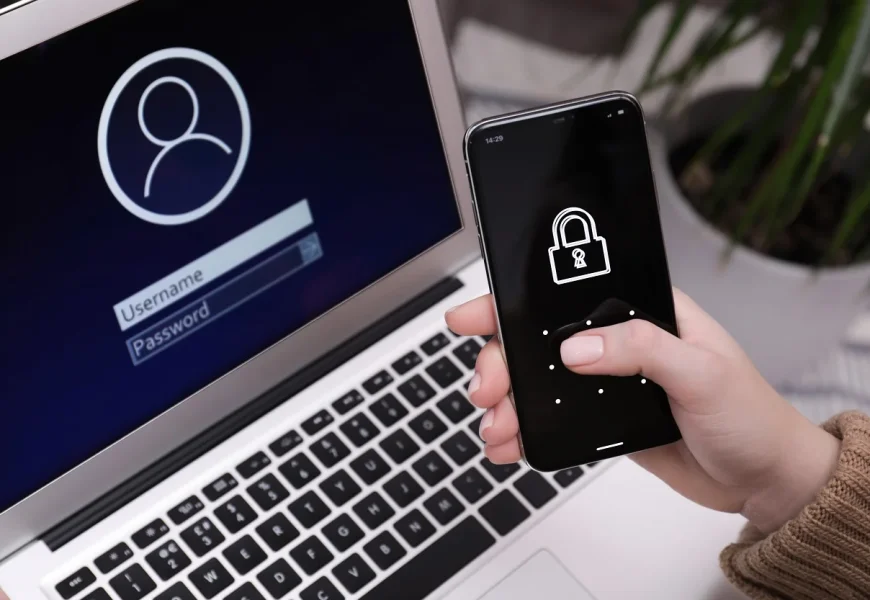
MFA adds additional verification layers beyond passwords.
▪ One-time codes sent to devices
▪ Authentication apps for login approval
▪ Biometrics like fingerprints or facial recognition
Key Benefits of MFA Adoption
MFA significantly reduces unauthorized access risks.
▪ Blocks access even if passwords are stolen
▪ Improves trust in digital systems
▪ Reduces phishing success rates
Conclusion
Multi-factor authentication provides a critical layer of protection in modern security systems. It ensures that stolen passwords alone cannot grant access, making digital environments safer and more resilient against attacks.